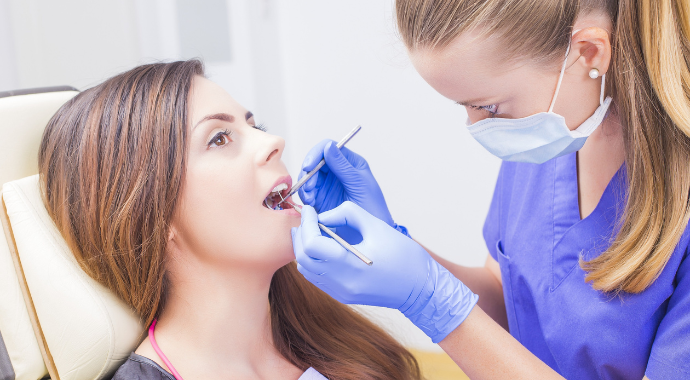

Dental care has evolved tremendously over the past few decades, and one of the most revolutionary advancements in modern oral health is laser dentistry. This innovative technology is transforming the way dental procedures are performed, offering patients more precise, efficient, and comfortable treatments. If you’ve been hesitant about dental visits or feared certain procedures, understanding laser dentistry and its many advantages might change your perspective.
In this blog, we’ll explore what laser dentistry is, how it works, the benefits of laser dental treatment, and why it’s becoming a preferred option for patients seeking high-quality oral care.
What is Laser Dentistry?
Laser Dentistry refers to the use of focused beams of light to perform dental procedures. Unlike traditional tools like drills and scalpels, lasers allow dentists to remove or shape tissue with remarkable precision while minimizing damage to surrounding areas.
Lasers can be used on hard tissues, such as teeth, and soft tissues, like gums, making them versatile instruments in modern dental practices. This versatility enables dentists to offer a wide range of procedures under the umbrella of advanced laser dentistry, from cavity treatment to cosmetic enhancements.
Types of Laser Dentistry
There are different types of dental lasers, each suited to specific procedures:
1. Soft Tissue Laser Dentistry
- Designed to work on gums and other soft tissues.
- Common applications include gum laser treatment, contouring gums, removing lesions, and treating gum disease.
2. Hard Tissue Lasers
- Strong enough to target teeth and bone.
- Used for removing decay, preparing teeth for fillings, and assisting in root canal procedures.
Some clinics also use dual-wavelength lasers, combining both soft and hard tissue capabilities for maximum efficiency in dental laser treatment.
How Does Laser Dentistry Work?
Laser dentistry works by delivering concentrated light energy to the target area. The energy interacts with the tissue in different ways depending on the procedure. For example:
- Cutting or reshaping tissue: The laser vaporizes tissue precisely, reducing the need for traditional cutting instruments.
- Sterilizing areas: The heat from the laser kills bacteria in the targeted region, reducing the risk of infection.
- Stimulating healing: Laser light can encourage faster tissue regeneration and blood flow, promoting quicker recovery.
The precision and control offered by lasers make procedures less invasive, minimizing damage to surrounding tissues.
Why Is Ear Pain Related to TMJ Disorder Frequently Misdiagnosed?
Most people visit their primary care doctor or ENT first. That makes sense. Ear pain feels like an ear problem. However, many routine exams don’t include a detailed jaw assessment. If the ear looks clear, patients sometimes leave without answers.
In addition, imaging may not reveal obvious joint damage. TMJ disorders often involve muscle tension or subtle joint inflammation, which can be harder to detect. Because of this, patients cycle through decongestants, allergy medications, or antibiotics without relief.
That’s when it becomes important to consult a TMJ specialist who understands the connection between jaw function and ear symptoms.
Key Benefits of Laser Dental Treatment
Laser dentistry provides numerous advantages compared to conventional dental methods. Here are some of the most significant laser dentistry benefits:
1. Painless Dental Treatment
One of the primary concerns for patients is pain. Many procedures with lasers are minimally invasive, often eliminating the need for anesthesia, especially for soft tissue treatments. This makes laser procedures an ideal option for individuals seeking painless dental treatment.
2. Reduced Bleeding and Swelling
Unlike traditional procedures, lasers can seal blood vessels as they work, minimizing bleeding during surgery. Patients experience less swelling and discomfort, which contributes to a smoother healing process.
3. Faster Healing and Recovery
Because lasers precisely target affected areas without damaging surrounding tissue, patients often experience faster recovery times. This allows you to return to your normal routine sooner.
4. Lower Risk of Infection
Laser procedures sterilize the treatment area, killing bacteria in real-time. This significantly reduces the chances of post-procedure infections and complications, making it safer for all patients.
5. Enhanced Precision
Lasers allow dentists to focus on specific areas, preserving healthy tissue. Whether it’s gum laser treatment or cavity removal, this precision ensures optimal outcomes with minimal tissue loss.
6. Minimal Need for Sutures
Many soft tissue procedures that traditionally required stitches can now be performed without sutures because lasers seal the tissue as they work. This simplifies recovery and reduces follow-up visits.
7. Reduced Noise and Vibration
Dental drills are often loud and cause vibration, which increases anxiety for some patients. Lasers are quiet, vibration-free, and more comfortable for nervous patients and children.
8. Versatility in Treatments
From cosmetic procedures to gum disease management, lasers can handle a variety of treatments, including:
- Gum reshaping
- Whitening teeth
- Treating tooth decay
- Root canal therapy
- Soft tissue lesion removal
9. Better Cosmetic Results
For cosmetic procedures, lasers provide precise tissue shaping, resulting in more natural, aesthetically pleasing outcomes. Whether it’s contouring gums or removing minor oral imperfections, patients can expect high-quality results.
Common Laser Dentistry Procedures
Here are some examples of how advanced laser dentistry is used today:
- Gum Disease Treatment: Lasers remove infected tissue and bacteria from gum pockets, promoting healthier gums and faster healing.
- Cavity Removal: Hard tissue lasers target decay while preserving healthy tooth structure for longer-lasting fillings.
- Root Canal Therapy: Lasers clean infected canals more thoroughly than traditional methods.
- Teeth Whitening: Laser-assisted whitening enhances the bleaching process for faster, brighter results.
- Gum Reshaping: For uneven or excessive gums, lasers provide precise contouring.
- Lesion Removal: Lasers safely remove lesions or ulcers with minimal discomfort.
Is Laser Dentistry Right for You?
Laser dentistry is safe for most patients and can effectively address a wide range of dental needs. However, to determine if a laser procedure is suitable for your specific case, it’s important to consult a qualified dentist. Several factors, such as the severity of your condition, the treatment area, and your overall oral health, can influence the best approach.
To ensure the most effective care, many patients turn to clinics offering advanced dentistry services, where expert guidance and the latest laser technologies help provide precise and safe treatments.
Safety Considerations
- Although laser dentistry is safe, certain precautions are necessary:
- Procedures should only be performed by trained and certified dental professionals.
- Some medical conditions or medications may require special consideration before treatment.
- Protective eyewear is essential for both patients and staff to prevent eye damage from laser exposure.
By following these safety measures, patients can enjoy the full benefits of dental laser treatment without unnecessary risk.
The Future of Laser Dentistry
The future of dentistry is moving toward minimally invasive, patient-friendly care, and lasers are at the forefront of this evolution. With ongoing advancements, lasers are becoming more powerful, versatile, and accessible, which improves both patient experience and clinical outcomes.
From routine cavity removal to cosmetic enhancements, laser dentistry is redefining what patients can expect from modern dental care. Clinics offering these technologies, such as the sleep dentistry clinic in Wesley, Chapel, are making it easier for patients to access safe, precise, and comfortable dental treatments.
Conclusion
Laser dentistry offers transformative benefits for patients of all ages, including less pain, faster recovery, precise treatments, and reduced risk of infection. Whether you need gum disease management, cosmetic improvements, or routine dental care, lasers provide a modern, patient-friendly approach to oral health.
If you’re ready to experience the advantages of laser dental treatment, visit Sana Dental Studio for advanced procedures delivered by experienced professionals. Take the first step toward healthier teeth and gums with innovative, comfortable, and effective dental care.
Contact us today to schedule your consultation and discover how laser dentistry can revolutionize your oral health experience.
Frequently Asked Questions
1: Is laser dentistry painful?
Most laser procedures are minimally invasive and often require little or no anesthesia, making it a painless dental treatment for many patients.
2: How long does it take to recover from laser dental procedures?
Recovery is usually faster than traditional methods because lasers cause less tissue damage, swelling, and bleeding. Many patients return to normal activities within a few days.
3: Can lasers be used for cosmetic dental procedures?
Yes! Lasers are effective for gum laser treatment, teeth whitening, and other cosmetic enhancements, providing precise and natural-looking results.
Key Takeaways
- Laser dentistry is gentle and a minimally painful process.
- Healing after laser treatments is faster, with less bleeding and swelling.
- Laser procedures are precise, which helps to preserve healthy teeth and gums.
- Using lasers lowers the risk of infections during and after treatment.
- Laser dentistry can be used for both medical and cosmetic dental needs.
- Overall, treatments with lasers offer a more comfortable and stress-free experience.