
Eight hours of sleep should feel refreshing, yet for many adults, the morning still begins with heavy eyes and a strong cup of tea that barely makes a difference. Loud snoring becomes a nightly complaint. Daytime fatigue slips into meetings, traffic signals, and quiet moments. Something feels off.
Here’s the important part: persistent sleep problems are not just inconvenient; they can signal that the airway is struggling during the night. This article explores what sleep apnea is, how it’s diagnosed, and how dental treatment, including oral devices and airway-focused care, can play a meaningful role in improving sleep. Along the way, common questions will be addressed and practical next steps clearly outlined.
What Is Sleep Apnea, And Why Should Anyone Care?
Sleep apnea, most often obstructive sleep apnea, means the airway narrows or closes while you sleep, causing pauses in breathing. Those pauses can fragment sleep and drop oxygen levels, so daytime fatigue, headaches, and mood shifts follow. It’s common, and it sits on a spectrum called sleep-disordered breathing, ranging from simple snoring to more serious blockage that needs treatment.
Common signs are simple to notice:
- Loud, persistent snoring
- Gasping or choking at night
- Heavy daytime sleepiness, trouble concentrating
- Morning headaches, dry mouth on waking
Beyond fatigue and snoring, untreated sleep apnea can have serious consequences; research shows it raises the risk of coronary heart disease by 30% and stroke by 60%, highlighting why timely evaluation is so important. If any of that sounds familiar, it’s worth a check-up. Many people shrug it off, but untreated sleep apnea is linked to higher blood pressure and other health risks, so it deserves attention
How Do Clinicians Figure Out If It’s Sleep Apnea?
You might wonder, do I need a big lab test? The short answer is sometimes. Doctors use either an overnight polysomnography in a sleep lab or a validated home sleep apnea test, depending on the case. Home tests are more convenient and often accurate for straightforward situations, while the lab study gives a fuller picture when things are complex. In practice, a sleep specialist decides which test makes sense, and results guide treatment choices.
What Is Oral Appliance Therapy, And How Does It Work?
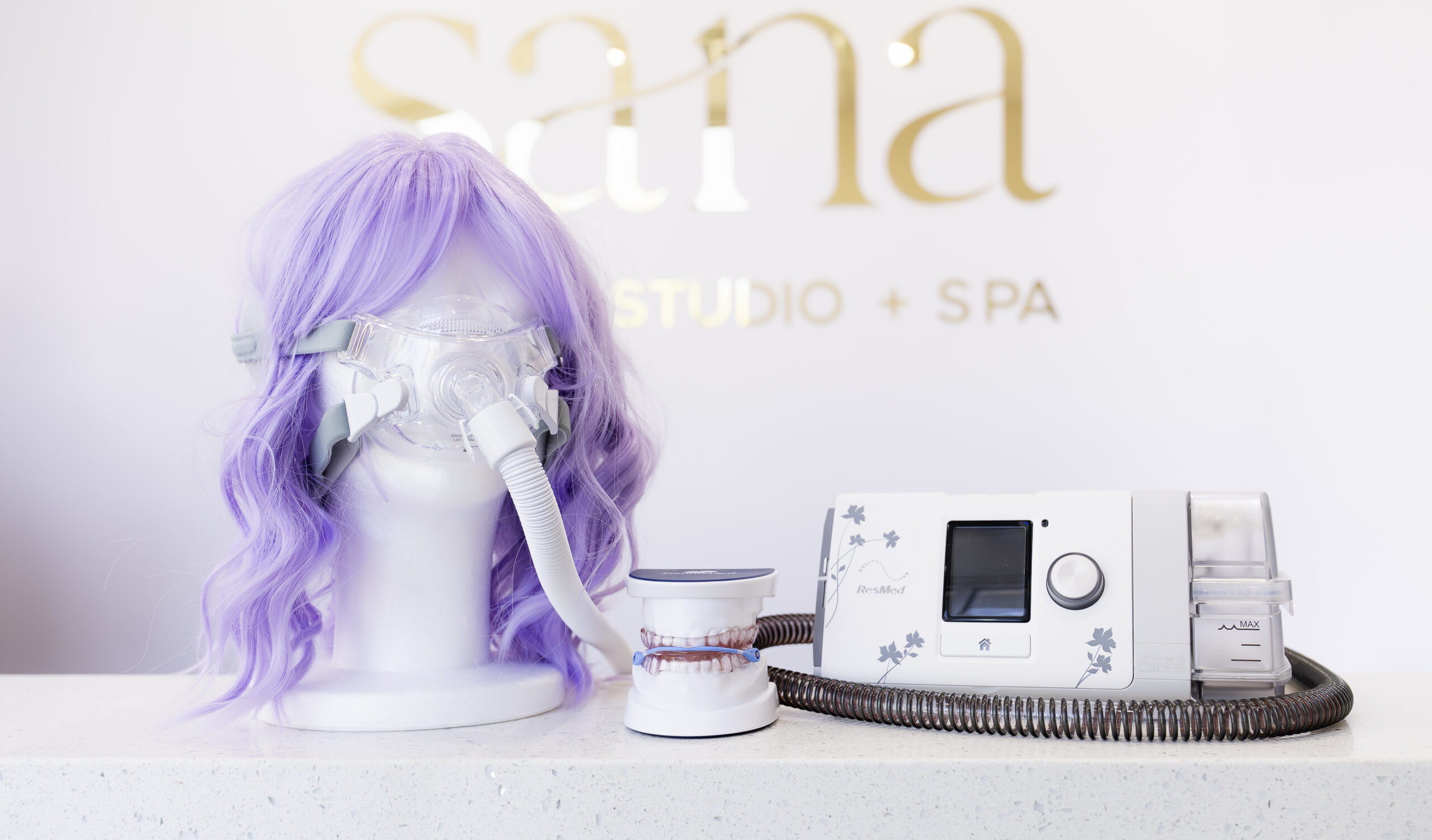
Think of an oral appliance like a well-fitted mouthguard that nudges the lower jaw forward slightly, so the airway has more room when you sleep. These devices are custom-made, adjustable, and designed by a sleep apnea dentist or a dentist trained in sleep-related care. They don’t blow air as CPAP does; instead, they reposition the jaw and tongue to reduce airway collapse during sleep. For mild-to-moderate obstructive sleep apnea and for people who find CPAP intolerable, oral appliances are a recommended option.
What to expect with an appliance:
- A consultation and review of your sleep study
- Dental impressions and a custom device made for your bite
- Gradual titration, meaning small adjustments until comfort and effect are optimized
- Follow-up sleep testing or home monitoring to confirm it’s working
Those follow-ups matter. A device that fits well but isn’t effectively reducing breathing events can give a false sense of security, so coordinated testing and review are standard practice.
Who Tends to Benefit, And What Are the Trade-offs?
Oral appliances often work best for people with mild-to-moderate sleep apnea, or those who refuse or cannot tolerate CPAP. They’re easier to travel with, usually quieter, and many users find them more comfortable. On the flip side, they can cause jaw soreness, temporary bite changes, or increased tooth movement in some cases. These effects are usually monitored and managed by the dentist through adjustments and routine checkups.
If your sleep apnea is severe, or if your medical profile is complicated, a combined approach is often recommended; that might mean dental devices plus medical oversight, or other treatments. The key is honest evaluation and regular monitoring.
What Does the Treatment Journey Look Like?
Practical steps most patients go through:
- Screening and referral from a physician or dentist who spots the signs.
- Diagnostic sleep test, lab or home, to confirm severity.
- If oral appliance therapy is chosen, impressions and a custom device will be made.
- Adjustment period with follow-up visits for comfort and effectiveness.
- Repeat sleep testing or ongoing monitoring to confirm improvement.
A clear plan and communication between the sleep specialist and the dental team make the difference between a gadget that’s merely comfortable and a therapy that actually improves breathing and daytime function.
Airway Dentistry, Briefly, How Dentists Go Beyond Devices
Airway-focused dentistry considers the entire oral and facial structure that can influence breathing during sleep, rather than focusing solely on teeth. This approach examines jaw alignment, tongue and soft tissue positioning, nasal airflow, and how the teeth and jaws grow or shift over time. Even small structural issues can make a significant difference in airflow and overall sleep quality.
By assessing these factors, dentists can identify potential contributors to sleep apnea that might otherwise be overlooked. When dental specialists collaborate closely with ENT doctors and sleep physicians, patients receive more thorough, coordinated care. This teamwork ensures that treatment is not just about managing symptoms but addressing the underlying factors affecting breathing at night.
About Sana Dental and How We Help
Sana Dental provides thorough dental assessments for sleep-related breathing issues, starting with a careful screening and review of any sleep study you may have. We explain all available options clearly, helping people understand which approach fits their needs. When oral appliance therapy is appropriate, custom devices are created and carefully adjusted by clinicians trained in dental sleep medicine. Our team also works closely with sleep physicians and ENT specialists when needed, ensuring that every treatment plan is safe, effective, and coordinated.
By combining expertise in both dentistry and sleep care, we aim to make managing sleep apnea simpler and more comfortable. Each plan is designed with the patient’s lifestyle and long-term results in mind, reflecting our focus on practical, personalized care.
Conclusion
Sleep challenges do more than drain energy; they shape daily experiences, mood, and overall well-being. Understanding sleep apnea and the role dental treatment can play helps put these challenges into perspective. For many, oral appliance therapy provides a practical, effective way to improve breathing during sleep, complementing broader care and follow-up. Addressing sleep apnea is rarely a single step; it’s part of an ongoing process that blends evaluation, thoughtful intervention, and attentive monitoring. Recognizing the options and knowing when to seek guidance can make a meaningful difference, turning restless nights into more restorative sleep and clearer days.
Key Takeaways
- Sleep apnea can disrupt rest, energy, and overall daily well-being.
- Early diagnosis helps identify risks and guides the most effective treatment.
- Dental solutions, like oral appliances, offer practical alternatives to CPAP therapy.
- Coordinated care between dentists and physicians improves outcomes for better sleep.